

Contact us:
Contact us:
Sitemap
MENU

Principi di Nixima
C.da Nixima Mineo Ct
+39 3392221463
info@principidinixima.com
Principi di Nixima
C.da Nixima Mineo Ct
+39 3392221463
info@principidinixima.com
THE RURAL CHAPEL
www.principidinixima.com @ All Right Reserved 2023 - Sito web realizzato da Flazio Experience
www.principidinixima.com @ All Right Reserved 2023 - Sito web realizzato da Flazio Experience
All images are copyrighted © Marcello Sansone
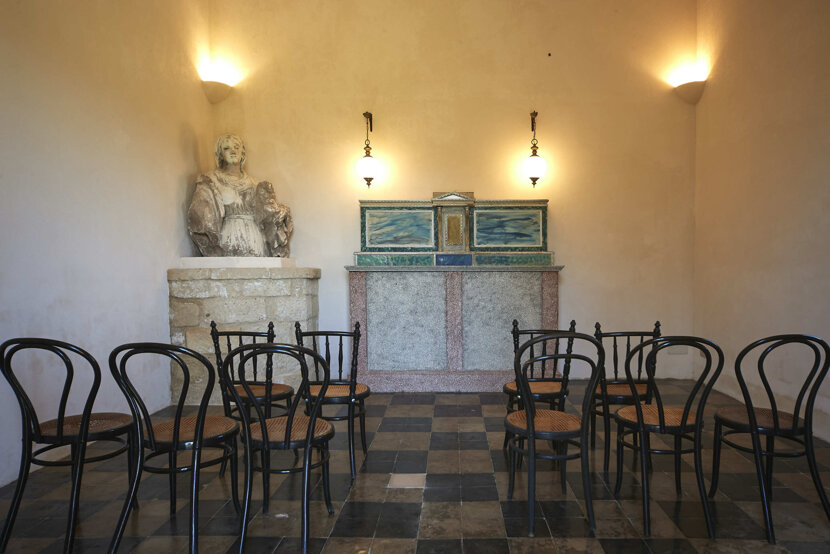
Faith, community and life in the countryside
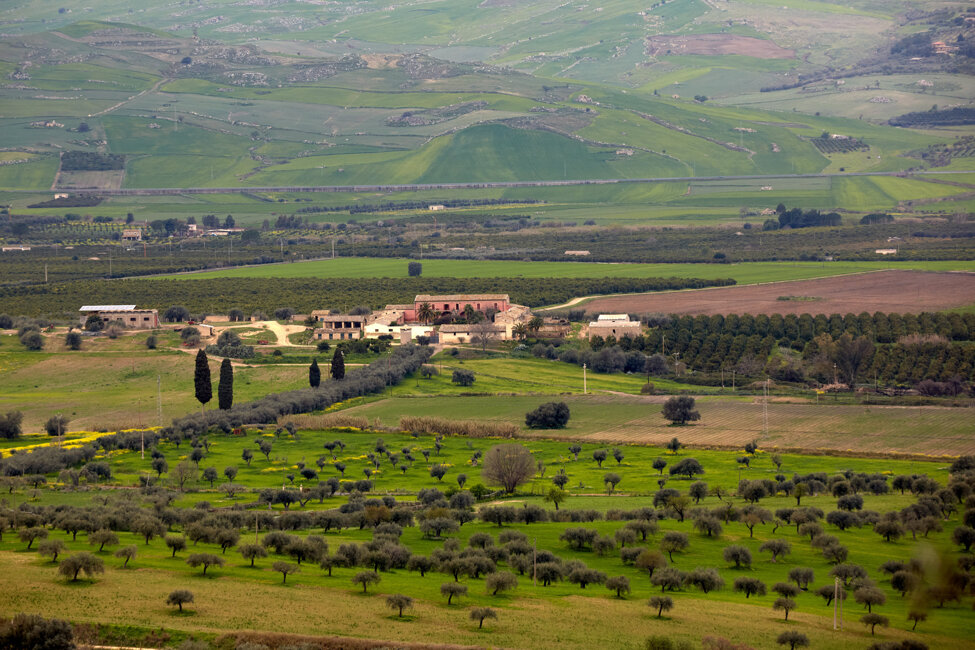
Within the architectural complex of the Baglio di Nixima, directly accessible from outside the fortified farmstead, stands a small rural chapel that for centuries represented the spiritual heart of a deeply religious agricultural community and an important social reference point for the people living in the surrounding countryside.
In the great Sicilian estates, everyday life was deeply connected with religion. The chapel was therefore not merely a place of worship, but also a gathering place for farmers, farm labourers and families who lived and worked far from the main settlements. Here people came together to pray and to celebrate religious services and Christian traditions, especially at the most significant moments of the agricultural year: the grape harvest, awaiting the rain, difficulties affecting the crops and times of particular need. Prayer thus accompanied both agricultural work and the daily life of the community.
The presence of the chapel also reflects the self-sufficient character that, particularly in the past, could be found in the great Sicilian agricultural estates. These were places where not only farming took place, but where many essential aspects of daily life were concentrated: residence, production, social interaction and religious devotion.
Small and simple in design, the chapel consists of a single nave measuring approximately 7 × 5 metres. Inside is a small stucco wall altar decorated with faux-marble motifs, reflecting the traditional decorative style of Sicilian rural chapels; a plaster statue of the Virgin Mary with the Child Jesus, an expression of the deep Marian devotion rooted in rural culture; and wooden chairs with seats made of traditional Vienna cane. Together with the altar and statue, these simple objects convey the chapel’s modest and intimate atmosphere and bear witness to the close relationship between popular devotion and local craftsmanship.
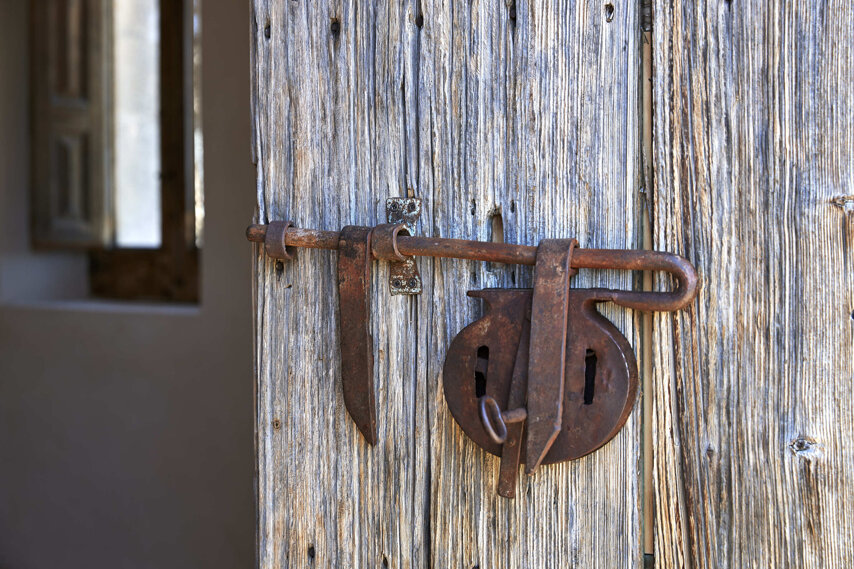
The entrance is accessed by stone steps, while the entrance door and window are made of wood, following the traditional construction methods of the Sicilian countryside. In its simplicity, the chapel still preserves the identity of a small place of worship immersed in the countryside, closely connected with the history of the Baglio and of the people who lived and worked here over the centuries.
The chapel is therefore not only an architectural testimony, but also a reminder of a rural community and a way of life in which faith, work, family and collective life were deeply intertwined.
SUBSCRIBE TO THE NEWSLETTER
Stay updated on all the news, events, and
promotions