

Contact us:
Contact us:
Sitemap
MENU

Principi di Nixima
C.da Nixima Mineo Ct
+39 3392221463
info@principidinixima.com
Principi di Nixima
C.da Nixima Mineo Ct
+39 3392221463
info@principidinixima.com
THE OVEN AND THE TICCHIENE
www.principidinixima.com @ All Right Reserved 2023 - Sito web realizzato da Flazio Experience
www.principidinixima.com @ All Right Reserved 2023 - Sito web realizzato da Flazio Experience
All images are copyrighted © Marcello Sansone
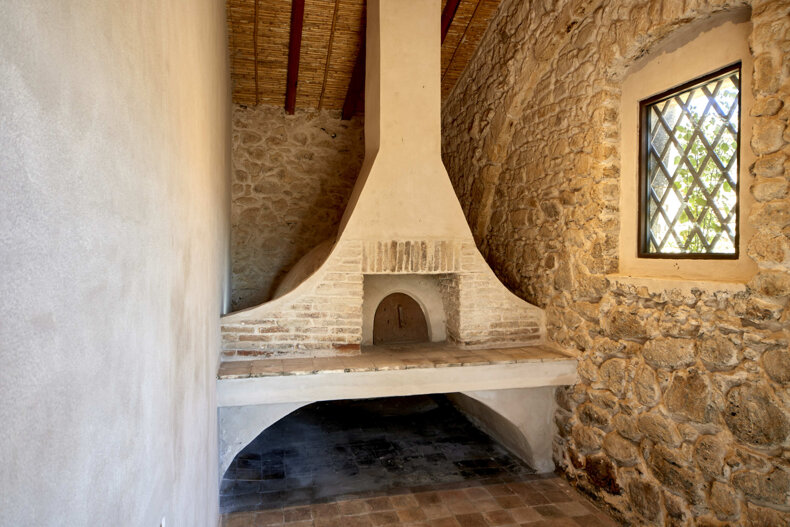
Rest and refreshment for the baglio workers
The areas known as the forno and ticchiene were closely connected and were used for the rest and refreshment of the farm workers engaged in the agricultural work of the estate.
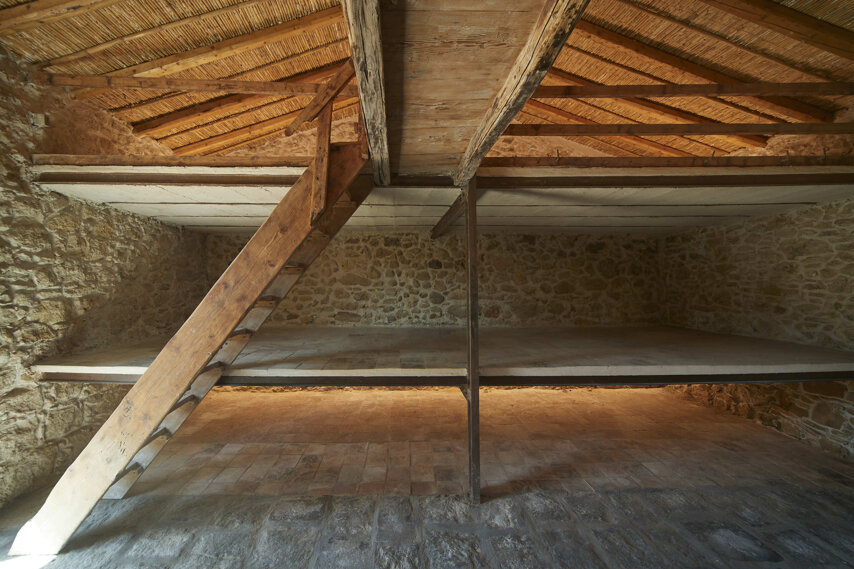
During periods of particularly intensive agricultural activity, such as the grain harvest and the grape harvest, numerous labourers from nearby villages temporarily moved into the baglio, where they were accommodated in simple and functional communal sleeping quarters.
Inside the ticchiene, there were benches or raised platforms on which “pagliericci” were placed: jute sacks filled with straw and used as mattresses. Personal belongings, food and clothing were kept up high, away from animals, hanging from nails inside bags known as “visazze”.
During the colder seasons, “conche”, round copper vessels filled with burning charcoal taken from the adjoining oven, were used to provide warmth.
A wooden staircase, worn by use and time, led to the upper floor, where a small wooden footbridge connected the two lodgings located on opposite walls.
The adjoining room housed the stone oven, a traditional Sicilian wood-fired oven used for baking bread. It also contained the “focolare”, a small wood-fired cooking area, now no longer in existence, consisting of a slightly raised masonry surface, with a chimney to carry away the smoke and a grate on which cooking pots could be placed. The embers were used to slowly cook legume soups, boiled vegetables and broths.
Another important feature was the “maidda”, a large rectangular container made of solid wood with outward-sloping sides, used for kneading flour, water and yeast to make bread.
These rooms bear witness to the simplicity of rural life and to the strong spirit of adaptability and sharing that characterized Sicilian rural communities.

SUBSCRIBE TO THE NEWSLETTER
Stay updated on all the news, events, and
promotions